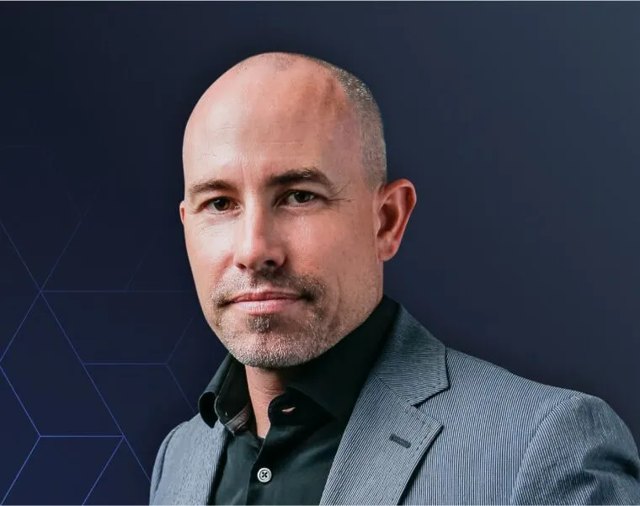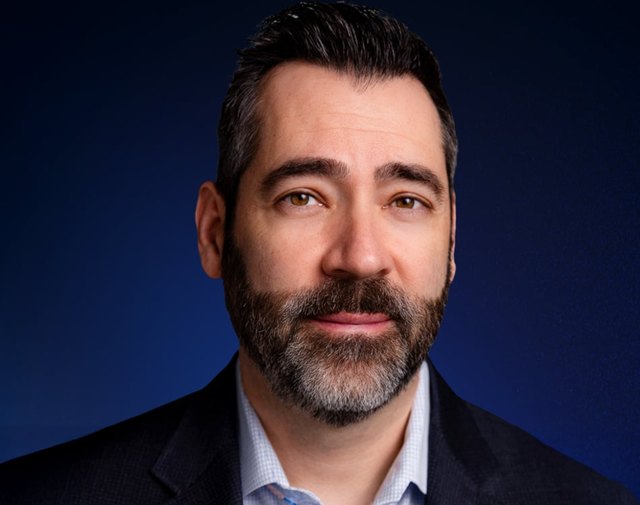
Matt Holland is the co-founder and chief executive of Field Effect, an Ottawa, Ontario, company that sells managed detection and response to small and medium businesses. A Prince Edward Island native, he spent seven years writing offensive code in the Tailored Access Operations group of the Communications Security Establishment, Canada's signals intelligence agency, then founded Linchpin Labs, which built cyber intelligence tools for Canada and its Five Eyes allies. He earned a reputation at CSE as one of the best in the trade at understanding how operating systems are defended and exploited, and has since turned that experience toward defending companies too small to afford a security team.
Inside Canada’s Cyberspy Agency
Holland first worked at the Communications Security Establishment on a work term in 1999 while studying computer science at the University of New Brunswick, and returned in 2000 to join its Tailored Access Operations group, The Globe and Mail reported. He became known for understanding how operating systems could be defended and exploited. His former colleague Shane Parrish, who later started The Knowledge Project podcast, put it this way: It's like saying you played hockey with Wayne Gretzky.
After the September 11 attacks the unit's work grew, and he spent seven years there as a senior researcher on top-secret projects for the Five Eyes, according to Field Effect. He eventually felt limited inside government. I was the square peg in the round hole
, he told Parrish on The Knowledge Project.
Founding Linchpin Labs
He left in 2007 to start Linchpin Labs, which built software that Canada, the United States, Britain, Australia and New Zealand used to run cyber intelligence operations. He paid for it himself, and in 2018 the defense company L3 Technologies bought Linchpin and an affiliate for US$200 million, according to The Globe and Mail.
Building Field Effect in Ottawa, Ontario
With co-founder Andrew Loschmann, a former CSE and Linchpin colleague, he built Field Effect to give small businesses the protection large companies have, and he spent tens of millions of dollars of his own money on it before it took its first outside funding, US$30 million led by Edison Partners, in 2022. He describes his staff of intelligence veterans plainly: It's like having a team of ninjas always there helping you
. Asked for an elevator pitch at the time, he gave a long description instead. I'm not very good at this
, he admitted, adding that Our biggest challenge is building a brand.
His message to small companies is that size is no protection. Your company is not small enough to be off an attacker's radar.
In 2026 Field Effect added a tool that stops employees from leaking data to AI services, which he described as like a chaperone with a grimace and a large stick to smack the AI when it's gone off the rails.
The company grew to 12,000 customers, and he set a high bar for the years ahead: I will be shocked if we don't grow 80 per cent to 100 per cent a year for the next five years
.
Personal Life
Holland calls himself a workaholic. I think vacations probably largely overrated just because I'm a workaholic.
When his wife asked why he was starting another company after selling Linchpin, he told her the choice was between a cybersecurity company he believed could change the world and something else entirely. Or I can open a coffee shop.
He chose the security company.
Sources
- Field Effect: Matt Holland
- The Globe and Mail: Field Effect, led by ex-cyberspies, raises $30-million to protect small businesses from hackers (2022)
- The Globe and Mail: Cybersecurity vendor Field Effect growing fast with new tool targeting ‘shadow AI’ at companies (2026)
- The Knowledge Project with Shane Parrish: Matt Holland, episode 93 (transcript)
Sources retrieved October 24, 2026.