Minimus: lessons from a 60-day wind-down
What other founders can take from the Minimus shutdown in August 2026, including how the company treated customers and investors on the way out.
CyberReviewed Editorial Team · Example preview, November 21, 2026
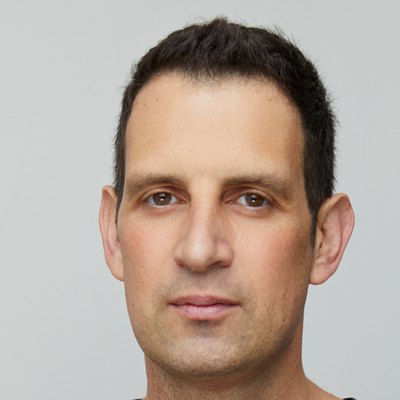


On August 24, 2026, Minimus told customers it was ending operations.1 "Unfortunately, the current business and investment climate has resulted in a situation in which we are unable to continue operations," co-founder and CEO Ben Bernstein said in the company's statement.
Bernstein, Dima Stopel, and John Morello were not first-time founders. They had sold Twistlock to Palo Alto Networks. Their new company still failed to build enough commercial momentum in a crowded market for hardened container images, where Chainguard is a dominant rival.
What happened
The company started in late 2022 as Gutsy, then changed direction, took the Minimus name, and narrowed its focus to stripped-down container images and virtual machines. It launched publicly in April 2025, arguing that the approach could remove more than 95% of vulnerabilities from a software supply chain.1
When they decided to stop, the founders did three things at once. They kept the product and images going for 60 days, through October 22, 2026, including bug fixes and updates. They said they would contact enterprise customers about ending contracts and refunds for time after that date. They returned remaining cash to investors. A few days later, Echo said it was taking on Minimus technology and customer operations so existing customers would not have to start over.2
Lessons for founders
A strong pedigree does not replace demand
The Twistlock sale did not guarantee that Minimus would find enough buyers. Customers already had other ways to shrink container risk. The founders said so, plainly, when they closed.
If you stop, leave customers a clock and a path
Sixty days of support, a published registry switch-off date, and a conversation about refunds is a more responsible ending than a dark website. Echo's follow-on deal then gave some customers a place to land. Founders who wait until the cash is gone often cannot offer either.
Returning leftover capital is a decision, not a failure of nerve
Minimus still had cash when it closed, including a remainder reported at about $10 million.3 Spending it all in a market that was not biting would not have made the product more loved. Sending the rest back, and spending time on an orderly exit, is the lesson other well-funded teams can use.
This obituary is a draft for a monthly Deadpool series. It is not live. See The Cybersecurity Deadpool, November 2026.